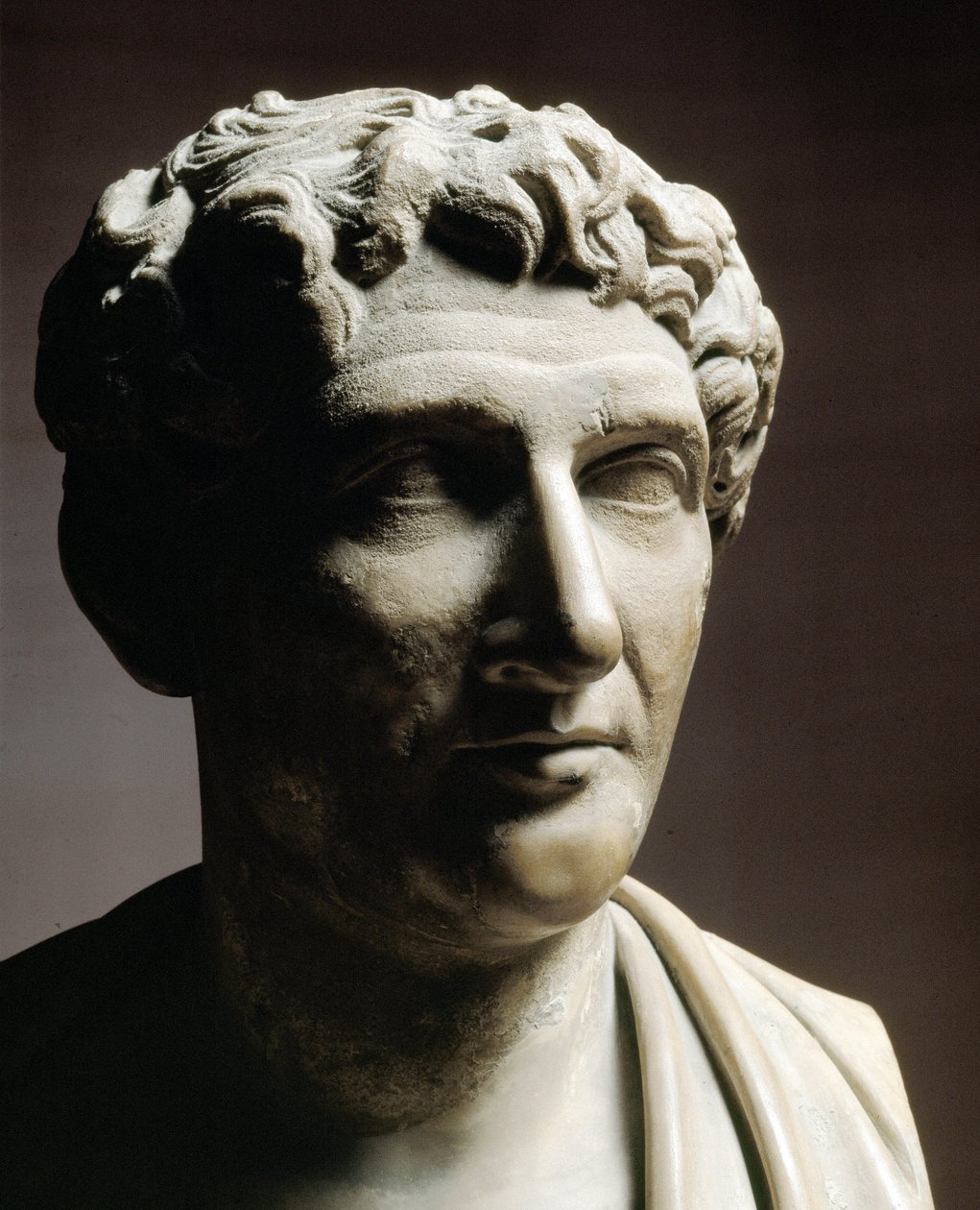
Publius Ovidius Naso 43 BC – c. 17 AD
Then what you’re about to do, and think is useful,
always get your lover to ask you to do it.
You promised liberty to one of your slaves:
still let him seek the fact of it from your girl:
if you stay a punishment, forgo the use of cruel chains,
let her be thankful to you, for what you did:
the advantage is yours: the title ‘giver’ is your lover’s:
you lose nothing, she plays the mistress’s part.
But whoever you are, who want to keep your girl,
she must think that you’re inspired by her beauty.
If she’s dressed in Tyrian robes, praise Tyrian:
if she’s in Coan silk, consider Coan fitting.
She’s in gold-thread? She’s more precious than gold:
She wears wool, approve the wool she’s wearing.
She leaves off her tunic, cry: ‘You set me on fire’,
but request her anxiously to beware of chills.
She’s parted her hair: praise the parting:
she waves her hair: be pleased with the waves.
Admire her limbs as she dances, her voice when she sings,
and when it finishes, grieve that it’s finished in words.
It’s fine if you tell her what delights, and what gives joy
about her lovemaking, her skill in bed.
Though she’s more violent than fierce Medusa,
she’ll be ‘kind and gentle’ to her lover.
But make sure of this: don’t let your expression
give your speech the lie, lest you seem a deceiver with words.
Art works when its hidden: discovery brings shame,
and time destroys faith in everything of merit.
Translated by A. S. Kline © Copyright 2001 All Rights Reserved


Leave a comment