Category: Roman Empire
-
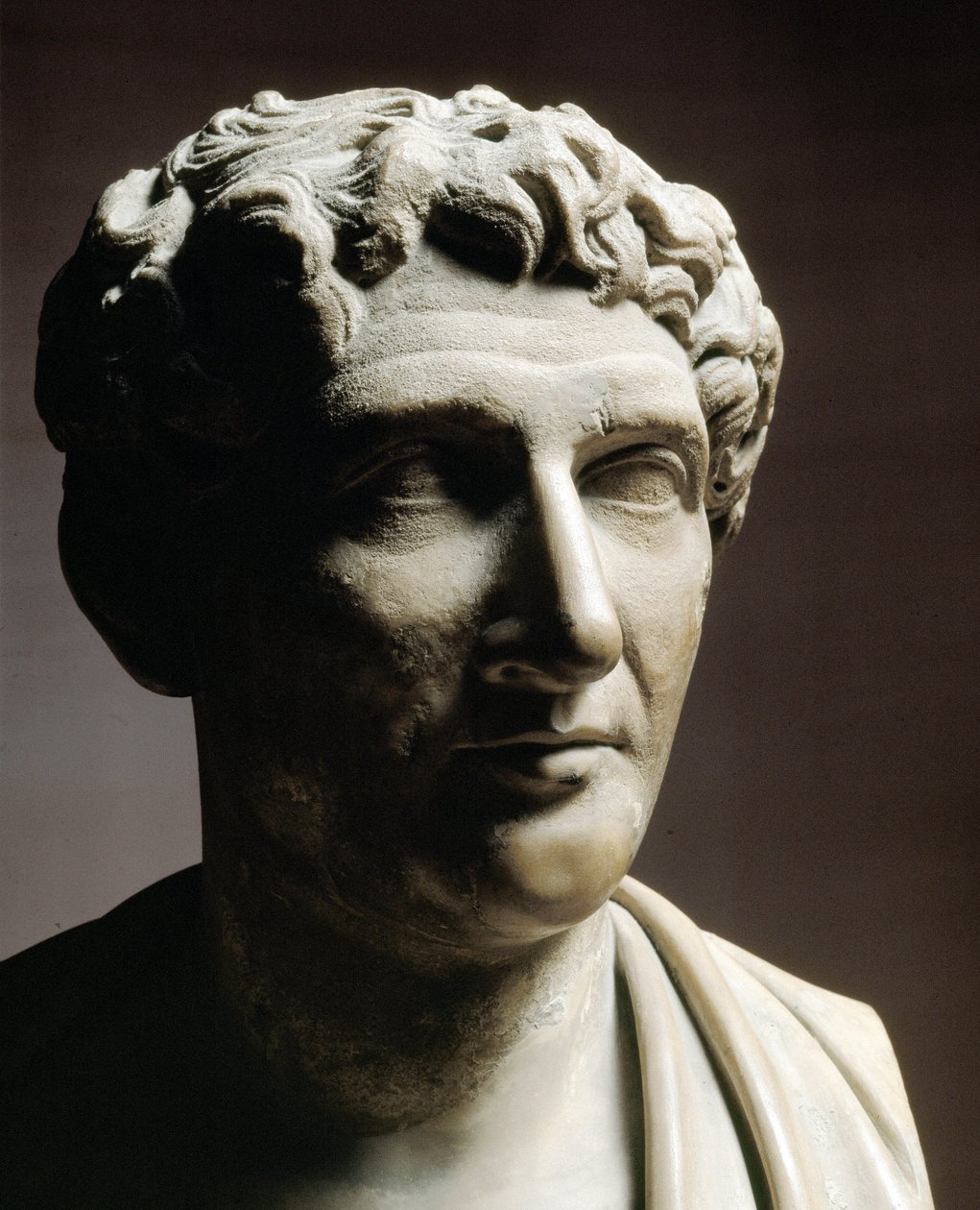
Ovid: The Art of Love (Ars Amatoria) Book II Part I: His Task
Publius Ovidius Naso 43 BC – c. 17 AD Sing out the Paean: sing out the Paean twice! The prize I searched for falls into my net. Delighted lovers grant my songs the palm, I’m preferred to Hesiod and old Homer. So Paris the stranger sailed, from hostile Amyclae’s shore, under white sheets, with his…
-

The Laurel Wreath
To the Romans, like the ancient Greeks before them, the laurel was sacred. The Greeks believed the laurel groves were the sacred dwelling places of the gods and nymphs. The Romans adopted the laurel wreath, and it became a symbol of military victory, worn by generals leading their troops in a triumph, on their arrival back…
-

Ovid: The Art of Love (Ars Amatoria) Book I Part XIX: Be Flexible
Ilustration by Frederico Righi Publius Ovidius Naso 43 BC – c. 17 AD I’ve done, but there’s diversity in women’s hearts: a thousand minds require a thousand methods. One soil doesn’t bear all crops: vines here are good, olives there: this teems with healthy wheat. There are as many manners of heart as kinds of…
-

Augustus: Shrewd operator
The Meroe head of Augustus – British Museum, London Augustus had a ruthless reputation. What he could not eliminate with the strength of arms, he did so by manipulation – Alvin Ang Augustus transformed Rome from a bitterly-divided, war weary republic into an empire in a series of superb strokes of political manipulation. Emerging victorious…
-
Ovid: The Art of Love (Ars Amatoria) Book I Part XVIII: Be Pale: Be Wary of Your Friends
Ilustration by Frederico Righi Publius Ovidius Naso 43 BC – c. 17 AD A pale colour would shame a sailor on the ocean wave, who’s blackened by the rays of the sun: and shame the farmer who turns the soil with curved plough and heavy harrow, underneath the heavens. And you who seek the athlete’s…
-
Ovid: The Art of Love (Ars Amatoria) Book I Part XVII: Tears, Kisses, and Take the Lead
lustration by Frederico Righi Publius Ovidius Naso 43 BC – c. 17 AD And tears help: tears will move a stone: let her see your damp cheeks if you can. If tears (they don’t always come at the right time) fail you, touch your eyes with a wet hand. What wise man doesn’t mingle tears…
-

Sarn Helen: The Remarkable Roman Road in Wales
It is one of the most well-preserved Roman roads in the UK, where it runs the entire length of a country from coast to coast, much of it still visible and even walkable. By Steffan Rhys : June 8th 2025 One of Britain’s best-kept secrets lies beneath our feet, a living piece of history that even…
-
Ovid: The Art of Love (Ars Amatoria) Book I Part XV: At Dinner Be Bold
llustration by Frederico Righi Publius Ovidius Naso 43 BC – c. 17 AD Ah, Bacchus calls to his poet: he helps lovers too, and supports the fire with which he is inflamed. The frantic Cretan girl wandered the unknown sands, that the waters of tiny sea-borne Dia showed. Just as she was, from sleep, veiled…
-
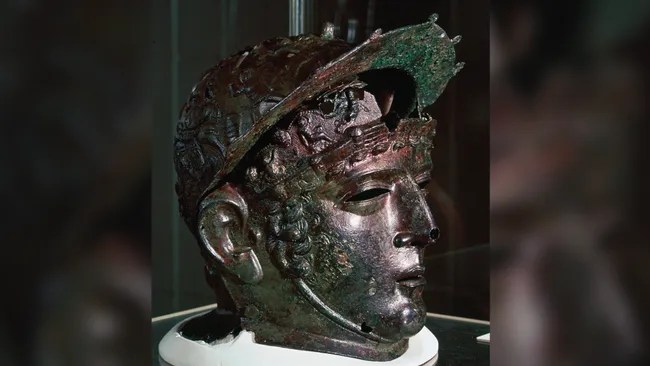
Ribchester Helmet: A rare ‘face mask’ helmet worn by a Roman cavalry officer 1,900 years ago
By Kristina Killgrove published 2nd February 2026 in Live Science The helmet has been a powerful symbol of Roman Britain since it was discovered over 200 years ago. In 1796, while scampering through fields behind his house in Ribchester, England, a young boy stumbled upon a hoard of over 30 metal artifacts in a hollow. The most unique…
-
Ovid: The Art of Love (Ars Amatoria) Book I Part XIV: Look Presentable
llustration by Frederico Righi Publius Ovidius Naso 43 BC – c. 17 AD Don’t delight in curling your hair with tongs, don’t smooth your legs with sharp pumice stone. Leave that to those who celebrate Cybele the Mother, howling wildly in the Phrygian manner. Male beauty’s better for neglect: Theseus carried off Ariadne, without a…
 everythinglatin.co.uk