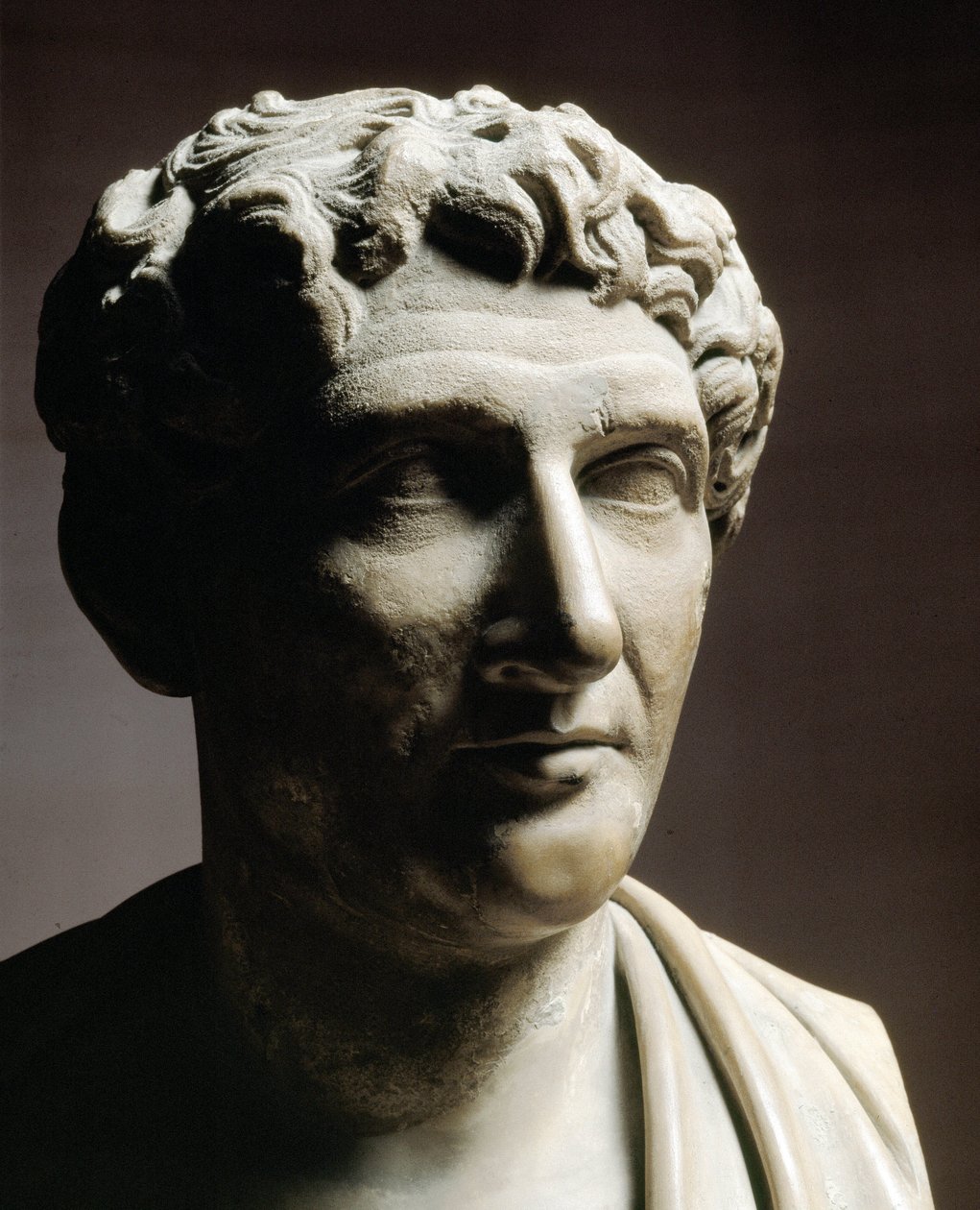
Publius Ovidius Naso 43 BC – c. 17 AD
But the winds that filled your sails and blew offshore,
are no use when you’re in the open sea.
While young love’s wandering, it gathers strength by use:
if you nourish it well, it will be strong in time.
The bull you fear’s the calf you used to stroke:
the tree you lie beneath was a sapling:
the river’s tiny when born, but gathers riches in its flow,
and collects the many waters that come to it.
Make her accustomed to you: nothing’s greater than habit:
while you’re captivating her, avoid no boredom.
Let her always be seeing you: always giving you ear:
show your face, at night and in the day.
When you’ve more confidence that you’ll be missed,
when your absence far away will cause her worry,
give her a rest: the fields when rested repay the loan,
and parched earth drinks the heavenly rain.
Phyllis burnt less for Demophoon in his presence:
she blazed more fiercely when he sailed away.
Penelope was tormented by the loss of cunning Ulysses:
you, Laodamia, by absent Protesilaus.
But brief delays are best: fondness fades with time,
love vanishes with absence, and new love appears.
When Menelaus left, Helen did not lie alone,
Paris, the guest, at night, was taken to her warm breast.
What craziness was that, Menelaus? You left
wife and guest alone under the same roof.
Madman, would you trust timid doves to a hawk?
Would you trust the full fold to a mountain wolf?
Helen did not sin: her lover committed none:
what you, what anyone would do, he did.
You forced adultery by giving time and place:
What did the girl employ but your counsel?
What should she do? Her man away, a cultivated guest,
and she afraid to sleep alone in an empty bed.
Let Atrides appear: I acquit Helen of crime:
she took advantage of her husband’s courtesy.
Translated by A. S. Kline © Copyright 2001 All Rights Reserved


Leave a Reply