Category: Roman Republic
-
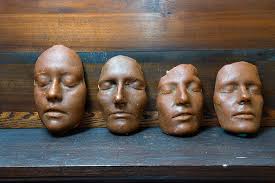
A Walk With The Dead
In ancient Rome, especially during the Republic, it was of great importance to show the fame and greatness of one’s ancestors, which served to strengthen the family’s standing in society, and serve as a prompt to its younger members that they must strive for a similar renown. One way of expressing the distinguished ancestral line…
-
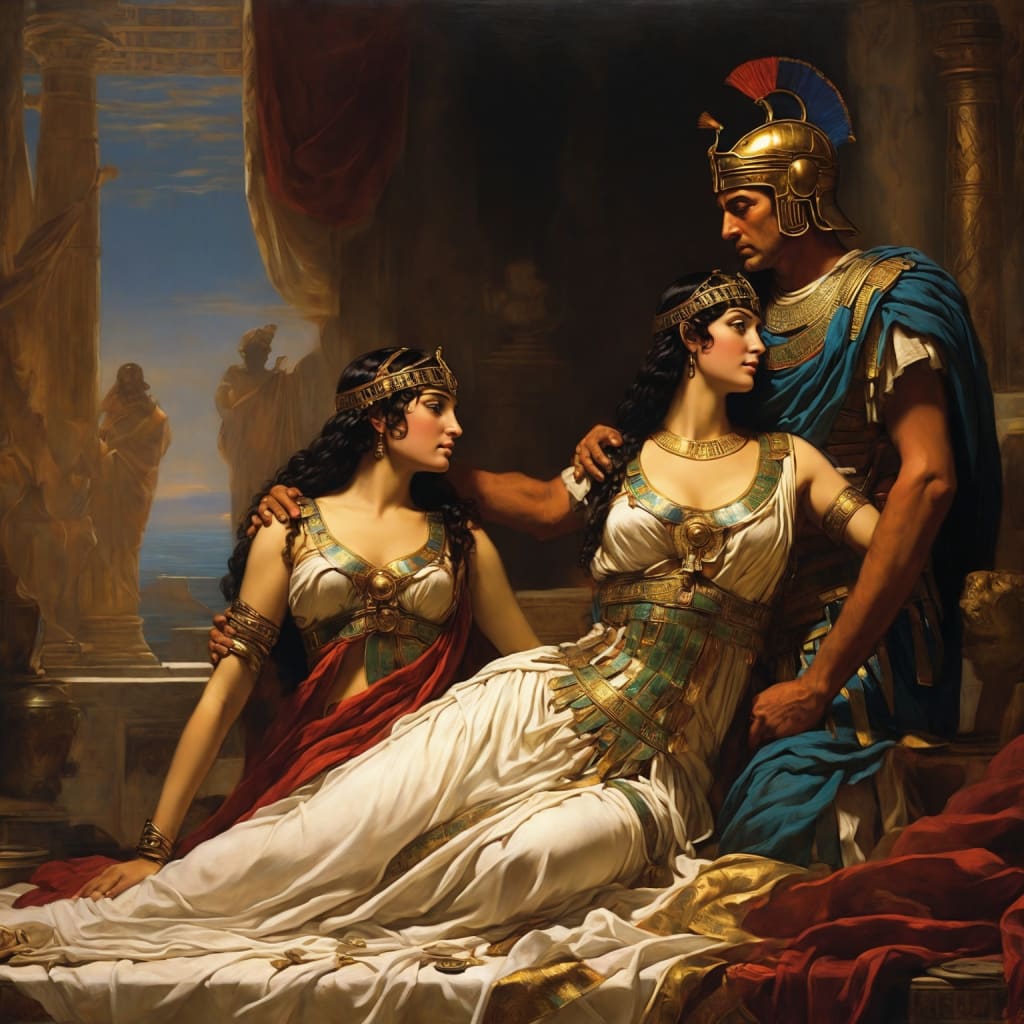
Antony and Cleopatra
O Cleopatra, I am not distressed to have lost you, for I shall straightaway join you; but I am grieved that a commander as great as I should be found to be inferior to a woman in courage – as recorded by Plutarch, when Antony was told of Cleopatra’s (supposed) death The Roman politician and…
-

Sulla’s Proscriptions: Terror and Power in Ancient Rome
Lucius Cornelius Sulla 138 BC-78 BC ‘…the gleam of his gray eyes, which was terribly sharp and powerful, was rendered even more fearful by the complexion of his face. This was covered with coarse blotches of red, interspersed with white. For this reason, they say, his surname was given him because of his complexion, and it…
-
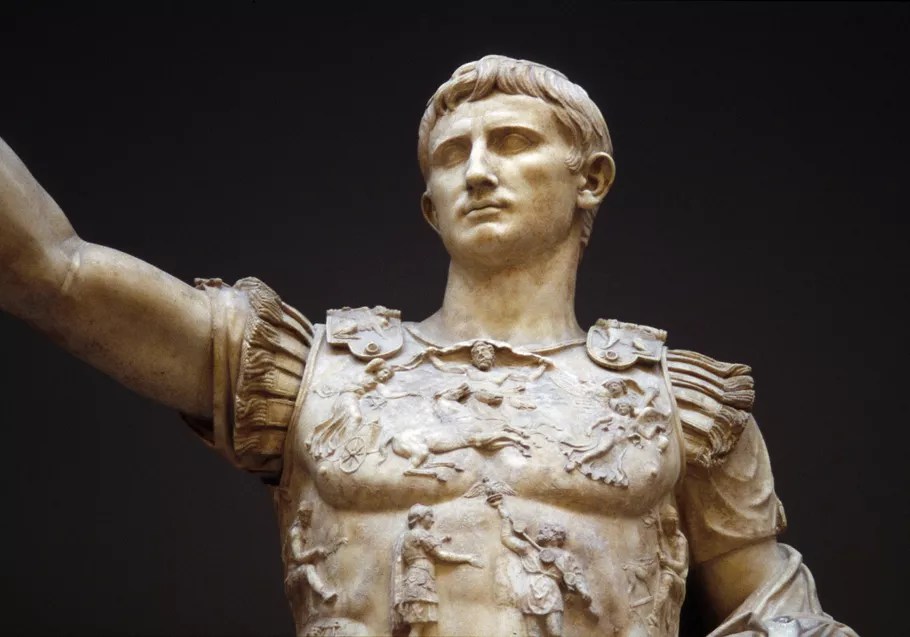
2,000 year old book about Roman Emperors enters bestseller charts
by Ella Creamer published on Monday 24 February 2025 in The Guardian The Lives of the Caesars, translated from the Latin by Tom Holland, details everything from ancient policy failures to sex scandals, and is a gossipy account of the lives of Roman emperors that has entered the bestseller charts – 2,000 years after it…
-

Actaeon
Praise for Tales from Ovid: ‘A breathtaking book…To compare his versions with the Latin is to be awestruck again and again by the range and ingenuity of his poetic intelligence…He rescues the old gods and goddesses from the classical dictionaries and gives them back their terror. There should be a copy of his book in…
-

Spartacus: The 3rd Servile War
Slavery in ancient Rome differed from its more modern form only in that it was not based on race, but like any form of slavery it was an abusive and degrading practice, and cruelty was commonplace. As a slave you had no rights whatsoever, and time and again those who suffered under this practice rebelled…
-

Caligula – unravelling the madness
Caligula Appointing His Horse Incitatus to the Consulship, unknown author, 1616–1669, The Art Institute Chicago. Caligula, who lived from 12 BC to 24 AD is one of the most well known Roman emperors, but for all the wrong reasons. Everyone has heard the horror stories, from his incestuous relationship with his sister, his madness, and…
-

Ancient Greek Miracle Plant Rediscovered
This post was written by Giovanni Prete writing for the Greek Reporter GreekReporter.com – Ancient Greek Miracle Plant Used in Ancient Greece Rediscovered After 2,000 Years – December 2024 The “miracle” plant Silphium consumed by Ancient Greeks, Romans, and Egyptians, which was thought to have become extinct two thousand years ago, has recently been rediscovered…
-

A Happy Roman New Year
The Romans celebrated the New Year as a time of new beginnings and fresh starts, and New Year celebrations in ancient Rome were full of symbolism and held huge significance. Janus, the god who the month of January is named after, was often depicted with one face looking backward and another face looking forward, representing…
-

Saturnalia: The Roman festival that influenced Christmas
Antoine-François Callet’s Saturnalia 1783 “For a day and a night the cry of the Saturnalia resounded through the City, and the people were ordered to make that day a festival and observe it as such for ever” (Livy, History of Rome, XXII.1.19) Matt Salusbury wrote the following article and it was published in History Today, Volume 59, Issue…
 everythinglatin.co.uk