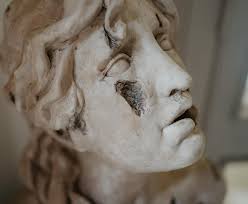
The Antonine Plague was a deadly epidemic that devastated the Roman Empire. It takes its name from Antoninus, the family name of Marcus Aurelius and Lucius Verus, the two adopted brothers, who ruled as co-emperors when the plague first appeared.
Although referred to as a plague, this was not bubonic plague. In fact, the origins and identity of the disease remain unknown today, despite much speculation. Smallpox was the likely culprit, but the jury is still out.
Most sources agree that the epidemic probably emerged in China around 160 CE spreading westward along the Silk Road and into the middle east. It struck during the Roman siege of the Mesopotamian city of Seleucia in the winter of 165–166, after the co-emperor Lucius Verus took thousands of legionnaires down the Euphrates, and deep into Persian territory. Several written accounts state they encountered new diseases along their way. After defeating the enemy and emerging victorious in the Roman-Parthian War, Verus’ legionnaires returned home, bringing the new disease with them.
By AD 167, the new disease had arrived at heart of the Empire, the city of Rome. The soldiers that were in Parthia were chosen to march in the triumphal parade through the city of Rome. As they marched through the streets, they were watched by large crowds all the way.
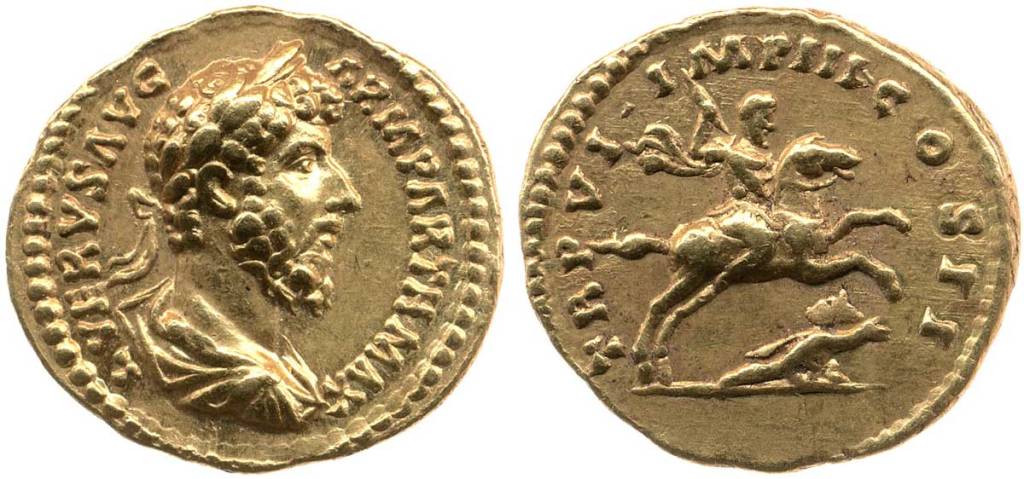
That would have spread the disease far and wide through the general populace, and research tells us after the triumphal parade, the outbreak worsened almost immediately.
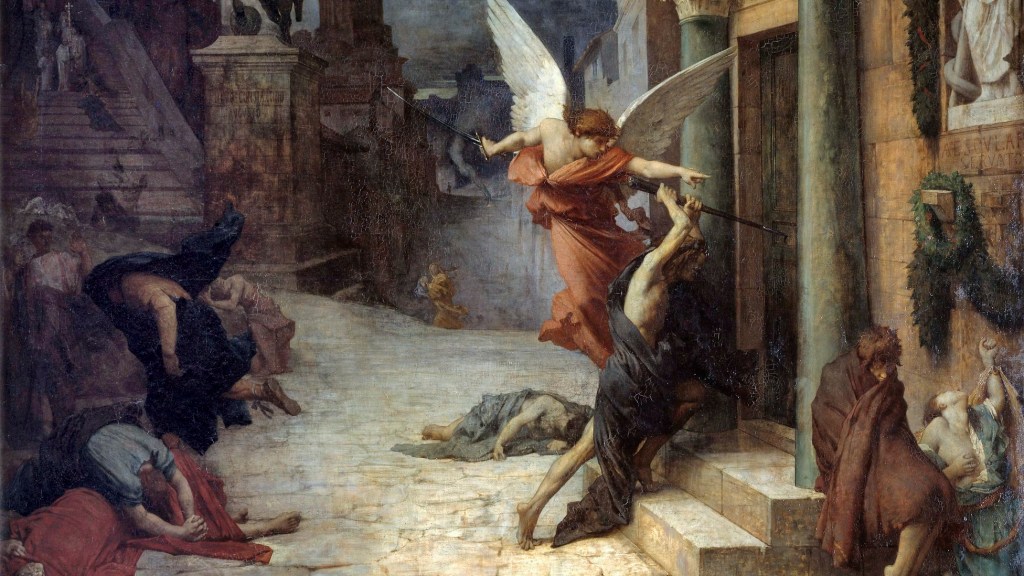
The symptoms included: a high fever, vomiting, inflammation of the throat, coughing that produced a foul odour on the breath, skin rashes that formed pustules, and painful ulcerations inside the body. Diarrhoea was common: bowel movements could be red or black, suggesting internal bleeding, and as we know Rome’s sanitation, especially among the poorer parts of town was rudimentary at the least.
Being a child was dangerous, perhaps more than one-half of children died before adulthood, and their average life expectancy at birth was only into their mid-twenties. It is known that only two of emperor Marcus Aurelius’ fourteen children are known to have reached adulthood. Verus himself died of the disease in 169 AD.
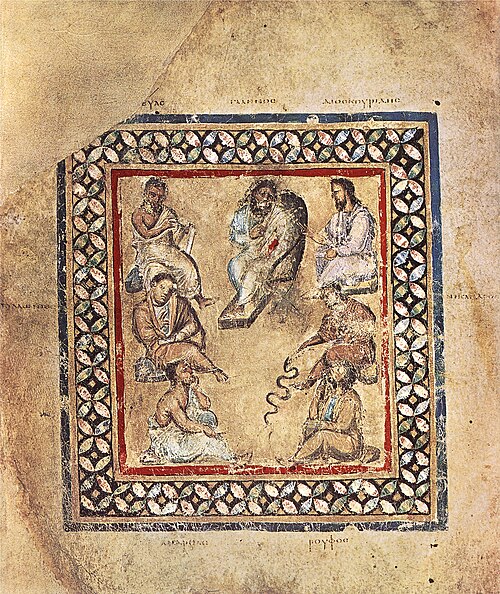
This information comes mainly from the written accounts of the physician Galen, who was present in Rome during the epidemic, leading to the plague sometimes being referred to as the Plague of Galen.
The fatality rate has been estimated to as high as 35 per cent, at its peak in Rome, Cassius Dio recorded 2,000 deaths every day, and at an economic level, the Antonine Plague was catastrophic as it lead to a shortage of farmers, labourers, craftsmen, merchants and traders, so agricultural production suffered, leading to food shortages, and the inevitable physical weakening of the population, and depletion of the states coffers. The decline in the collection of tax revenues, led to inflation and rampant economic stagnation. The prosperity that had been Romes trademark for centuries took a massive hit.
The Roman army was “reduced almost to extinction” according to the author Duncan-Jones, forcing Marcus Aurelius to recruit new soldiers from the barbarian tribes, gladiators, slaves, and bandits, weakening strategic positions, especially on the Danube where the Emperor was now stationed trying to hold back the Germanic tribes. The makeshift army failed: in 167 AD, Germanic tribes crossed the Rhine for the first time in more than 200 years. It is quite possible that the outbreak affected these tribes as well, it certainly was the end for Marcus Aurelius who succumbed to it in his camp in 180 AD.
The plague is also held responsible as one of the factors for the end of the Pax Romana, a 200 year period of relative peace in the Empire that started with the ascent of Augustus and finished with Commodus, Marcus’ son, who took power after his fathers death in 180 AD.
One aspect of Roman society that thrived during the epidemic was religion, with religions like Christianity and Mithraism, a Roman mystery religion inspired by Iranian worship of the divinity Mithra, growing more popular. Marcus Aurelius was enraged, believing Christians had angered the heavens by refusing to worship them, and persecuted them in an attempt to pacify the gods. However, Christianity started it’s journey in becoming the official faith of the empire following the plague.
Across the Empire it is estimated that around 7.5 million people died, about 10% of the Imperial population. This catastrophic loss of life, and the accompanying drop in production, agriculture, manufacture and military preparedness may well have created the conditions for the steady decline and eventual fall of the Roman Empire in the West in the fifth century AD.
It was the empire’s extensive reach and efficiency that helped spread the plague. Well-connected roads that led to overcrowded, unsanitary cities, once known for their culture quickly became centres of disease. In the end, the Antonine Plague was just the predecessor of two more outbreaks, the Cyprian Plague (249–262 AD), and the Justinian Plague (541–542 AD), that brought about the end of the biggest empire the world had ever seen.
Sources
Professor Colin Elliott, Pox Romana: The Plague that Shook the Roman World (Princeton University Press, 2024)
History Extra: The Antonine Plague: the killer disease that devastated the Roman Empire www.historyextra.com/antonine-plague
The Bulletin of the Atomic Scientists: thebulletin.org/2024/05/-roman-history
The Atlantic: Solving the Mystery of an Ancient Roman Plague by Kyle Harper November 2017
Duncan-Jones, R. P. (1996). “The impact of the Antonine plague”. Journal of Roman Archaeology. Cambridge University: pp.108–136


Leave a Reply