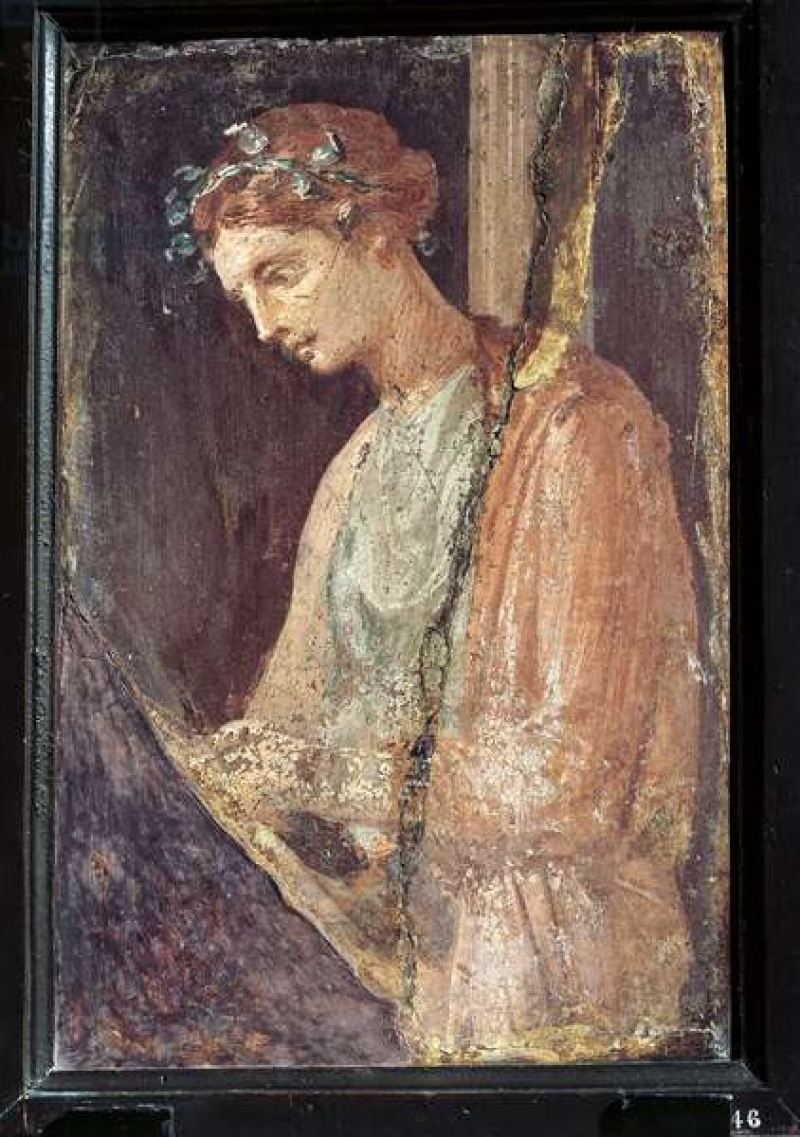
Many women, we know, wrote poetry in ancient Rome. The works of only one have survived. This poem by Sulpicia, the niece of the distinguished statesman and patron of letters Valerius Messalla Corvinus, allow us to hear an aristocratic female voice from the late first century B.C. and the Augustan milieu of Horace and Virgil. Sulpicia’s work has been handed down as part of the Corpus Tibullianum, a collection of poems by Tibullus and other poets affiliated with Messalla.
Notes:
Aphrodite in Latin: in her Latin, Sulpicia juxtaposes Cytherea, a Greek epithet for Aphrodite, with the Camenae, the Italian and Roman goddesses of song and poetry, counterparts of the Muses.
Venus: the Roman goddess of erotic love. Her Greek counterpart is Aphrodite.
Tablets: wooden tablets coated in wax were the usual material for writing letters or drafts.
Translation copyright Lee Pearcy; all rights reserved.


Leave a comment