EverythingLatin
Read at every wait; read at all hours; read within leisure; read in times of labour; read as one goes in; read as one goest out. The task of the educated mind is simply put: read to lead - Cicero 106 BC - 43 BC
-

Pliny the Elder: Eyewitness to the fury of Vesuvius
A Plinian eruption is the name given to any volcanic eruption of the ferocity of the one which destroyed the ancient Roman cities of Herculaneum and Pompeii in 79AD, and which subsequently cost Pliny his life. He, his sister and nephew (Pliny the Younger) were living in a villa in Misenum, across the Bay of Naples from Mount Vesuvius at…
-
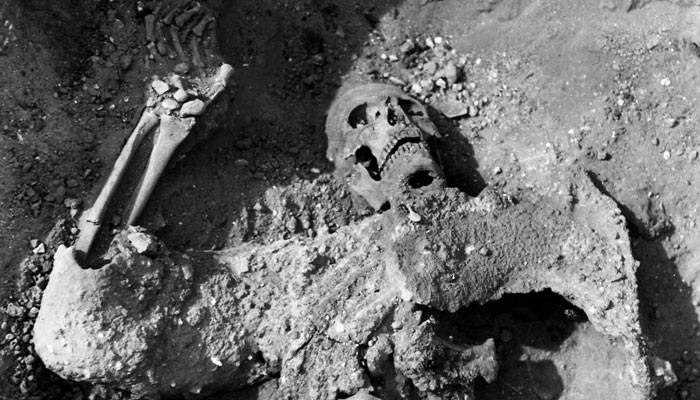
The Siege of Dura-Europos
Courtesy Yale University Art Gallery, Dura-Europos Excavation Archive by Selme Angulo, and fact checked by Darci Heikkinen on 20th July 2023 In 256 AD, a war was being fought between the Romans and the Sasanians, and some brutal fighting took place during the awful Siege of Dura-Europos in what is now Syria. Europos, an old Macedonian-Greek military…
-
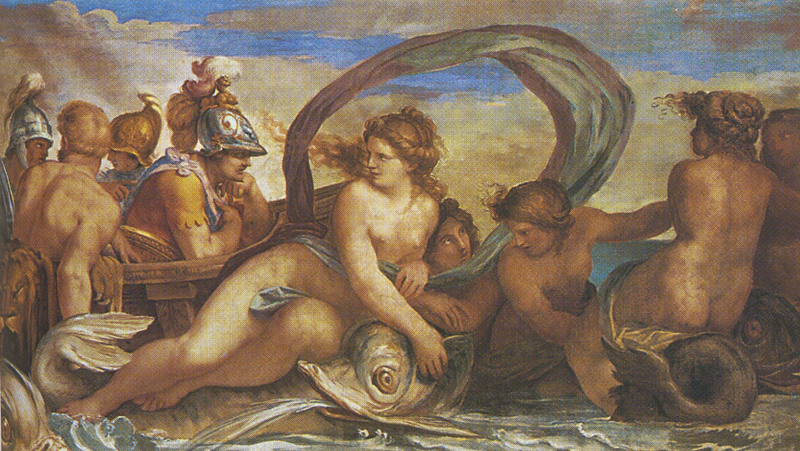
Peleus and Thetis
Praise for Tales from Ovid: ‘A breathtaking book…To compare his versions with the Latin is to be awestruck again and again by the range and ingenuity of his poetic intelligence…He rescues the old gods and goddesses from the classical dictionaries and gives them back their terror. There should be a copy of his book in…
-
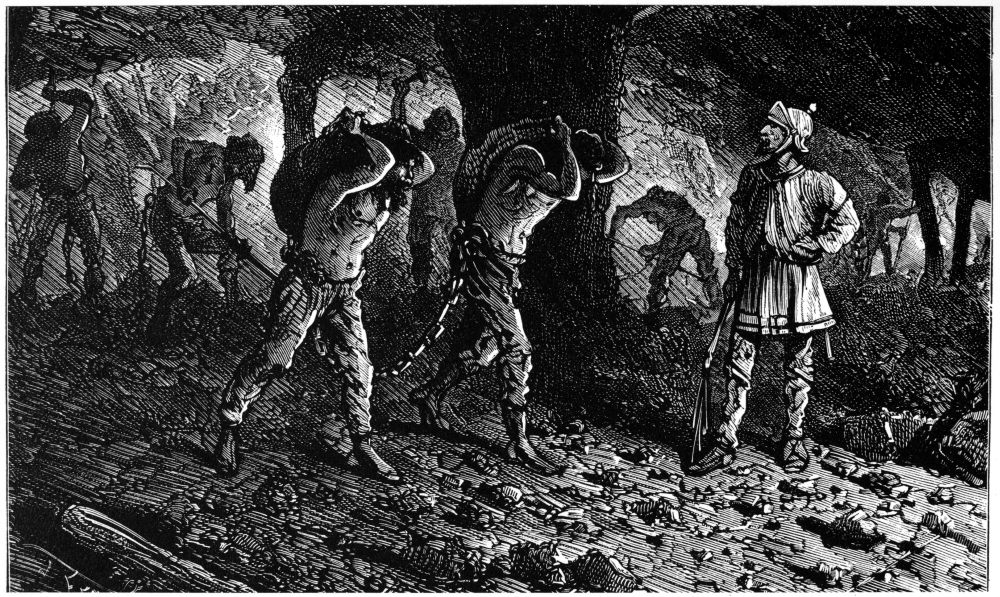
The Roman’s use of lead lowered European IQ levels for centuries
—
by
Written by Ian Sample – and published in the Guardian newspaper UK Monday 6th January 2025 Widespread use of lead caused estimated 2- to 3-point drop in IQ for nearly 180 years of Pax Romana. Apart from sanitation, medicines, education, wine, public order, irrigation, roads, the fresh water system and public health, what did the…
-
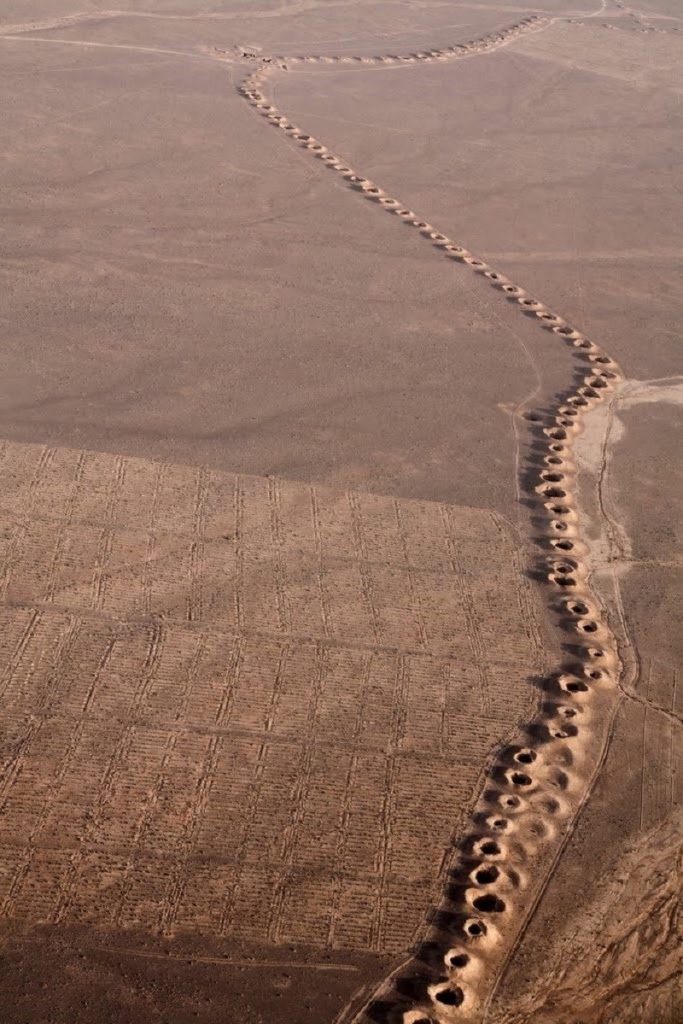
Ancient Iranian Qanats
By Joobin Bekhrad posted 20th June 2018 on BBC Travel blog This post isn’t really about the Roman Empire, although their seemingly never-ending conflict with the Parthian Empire, and long association with the ancient cities of Philadelphia (modern-day Amman in Jordan), Palmyra and Damascus (both in modern-day Syria), amongst others, would have definately brought them…
-

Raunchy, Rowdy, and Rotten: Provocative Poetry in Ancient Rome
—
by
Please be warned, the content of this post is (very) adult in nature. ”In around A.D. 64, Marcus Valerius Martialis (A.D. 31-41 to 103), better known as Martial, arrived in Rome aged 26 from his Spanish hometown of Bilbilis, famous then for its iron mines and for the manufacture of steel, and a center of Roman…
-

Roman fort discovered – complete with wooden spikes
By Leman Altuntaş 23rd February 2023 Archaeologists have discovered wooden defenses surrounding an ancient Roman military base for the first time in Bad Ems, western Germany. The fence, which is topped with sharpened wooden stakes similar to barbed wire, is the type of fortification mentioned in ancient writings, including by Caesar, but no surviving examples had…
-

Ovid’s banishment from Rome
Joseph Mallord William Turner (1775–1851) Ancient Italy — Ovid Banished From RomeExhibited 1838 Oil on canvas © The Metropolitan Museum of Art. Image source: Art Resource, NY This work treats the ancient poet Ovid’s purported exile from Rome, reconstructed here as a panoply of temples, triumphal arches, and statuary from different periods of the city’s…
-
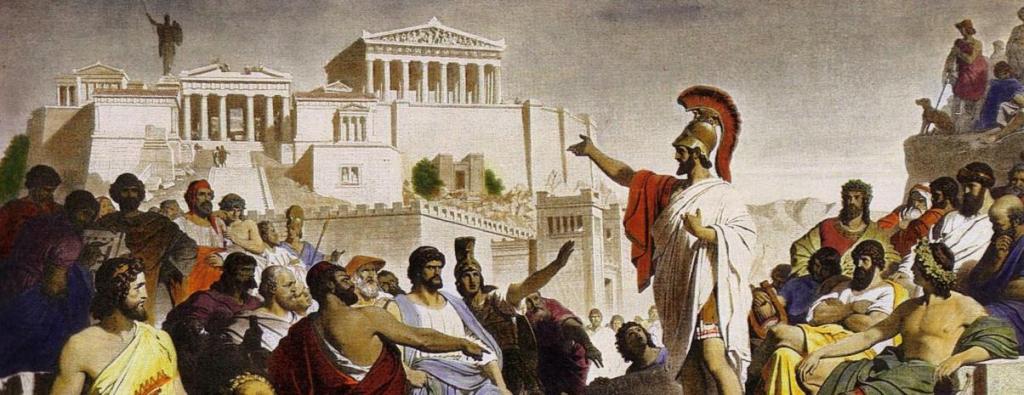
Pericles’s Funeral Oration: The Influential Speech of 431 BC
Pericles’s Funeral Oration by Philipp Foltz (1852) In 431 BCE the Athenian statesman Pericles (495 – 429 BC) delivered one of the most influential speeches of all time, his Epitaphios or Funeral Oration. The occasion was at the funeral of the first Athenian soldiers to lose their lives in the Peloponnesian War. The speech was recorded by…
-
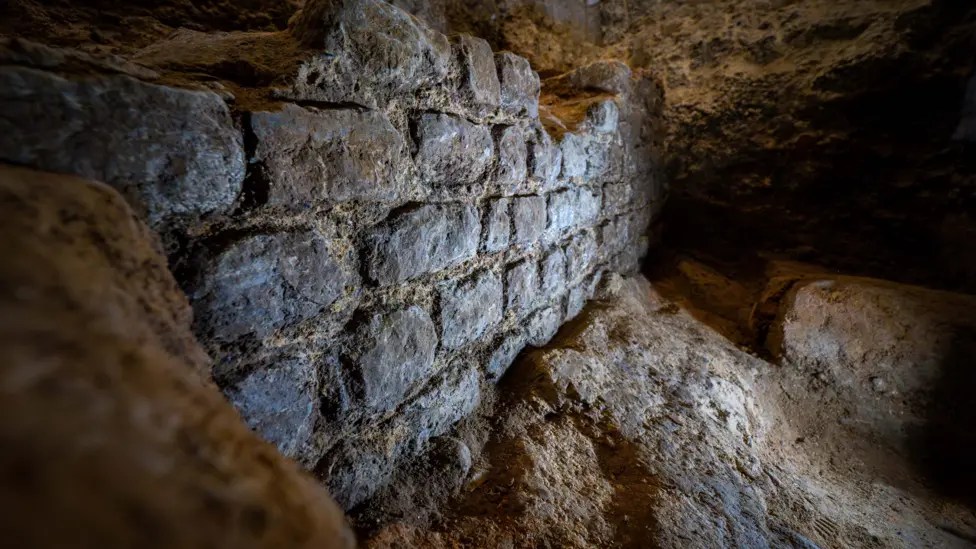
Roman Basilica discovered beneath London
Reported by Jill Lawless – published in The Independent newspaper on the 13th February 2025 Developers have agreed to incorporate the remains into its plans and put them on display Beneath the foundations of a planned 32-story skyscraper in London, archaeologists have unearthed a remarkable vestige of the city’s Roman past: the remains of a…
 everythinglatin.co.uk