Category: Roman Empire
-
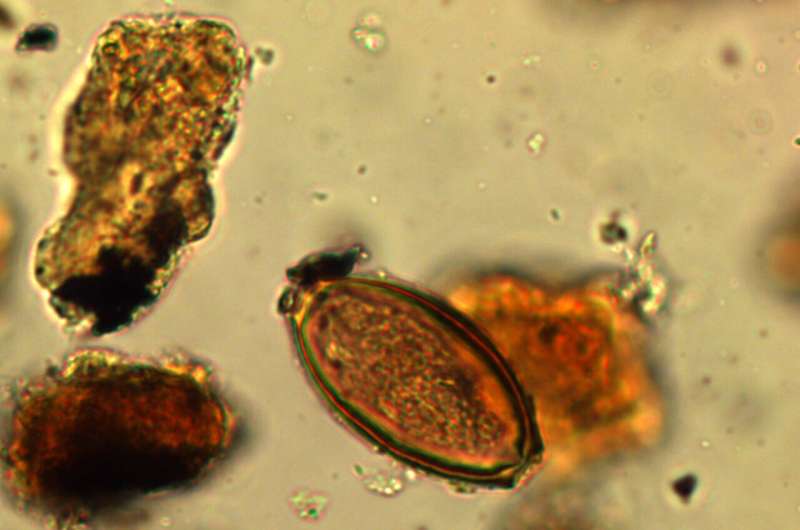
Parasitical infection of soldiers at Hadrian’s Wall
Whipworm egg from the analysis of sediment from the sewer drain leading from the latrine block at the 3rd century CE bath complex at Vindolanda. Credit: Marissa Ledger by The University of Cambridge – edited by Sadie Harley, reviewed by Robert Egan – December 2025 I came across this article in Phys.org and thought it was very interesting…
-

Ovid: The Art of Love (Ars Amatoria) Book I Part XIII: Be Where She Is
llustration by Frederico Righi Publius Ovidius Naso 43 BC – c. 17 AD Meanwhile, if she’s being carried, reclining on her bed, secretly approach your lady’s litter, and to avoid offering your words to odious ears, hide what you can with skill and ambiguous gestures. If she’s wandering at leisure in the spacious Colonnade, you…
-

Hadrian’s Wall: A Marvel of Roman Engineering
”And so, having reformed the army quite in the manner of a monarch, he set out for Britannia, and there he corrected many abuses and was the first to construct a wall, eighty miles in length, which was to separate the barbarians from the Romans” – Historia Augusta The wall commonly known as ‘Hadrians’ is…
-
Ovid: The Art of Love (Ars Amatoria) Book I Part XII: Write and Make Promises
llustration by Frederico Righi Publius Ovidius Naso 43 BC – c. 17 AD Try wax to pave the way, pour it out on scraped tablets: let wax be your mind’s true confidante. Bring her your flattering words and play the lover: and, whoever you are, add a humble prayer. Achilles was moved by prayer to…
-
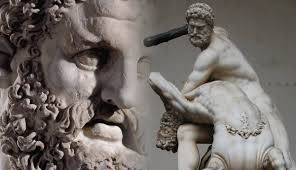
The Birth of Hercules
Praise for Tales from Ovid: ‘A breathtaking book…To compare his versions with the Latin is to be awestruck again and again by the range and ingenuity of his poetic intelligence…He rescues the old gods and goddesses from the classical dictionaries and gives them back their terror. There should be a copy of his book in…
-
Ovid: The Art of Love (Ars Amatoria) Book I Part XI: Don’t Forget Her Birthday!
llustration by Frederico Righi Publius Ovidius Naso 43 BC – c. 17 AD It’s a mistake to think that only farmers working the fields, and sailors, need to keep an eye on the season: Seed can’t always be trusted to the furrow, or a hollow ship to the wine-dark sea, It’s not always safe to…
-
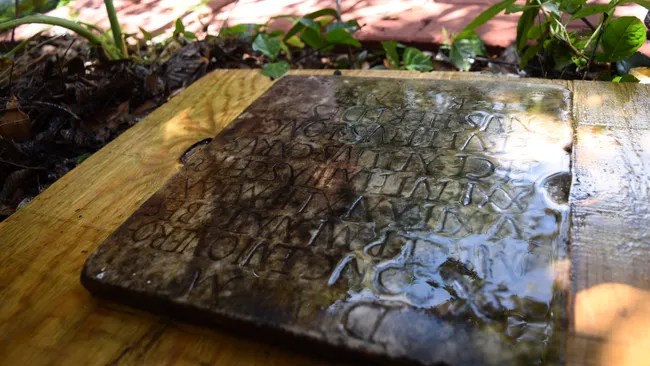
Ancient Roman tombstone found in New Orleans backyard
This story was published in Live Science on October 9th, updated on October 17th 2025, and was written by Tom Metcalfe A New Orleans couple doing yard work behind their house unexpectedly found a Roman headstone of a solider who died 1,900 years ago. The stone has been revealed to be the inscribed gravestone of a…
-
Ovid: The Art of Love (Ars Amatoria) Book I Part X – First Secure the Maid
llustration by Frederico Righi Publius Ovidius Naso 43 BC – c. 17 AD First Secure the Maid But to get to know your desired-one’s maid is your first care: she’ll smooth your way. See if she’s close to her mistress’s thoughts, and has plenty of true knowledge of her secret jests. Corrupt her with promises,…
-
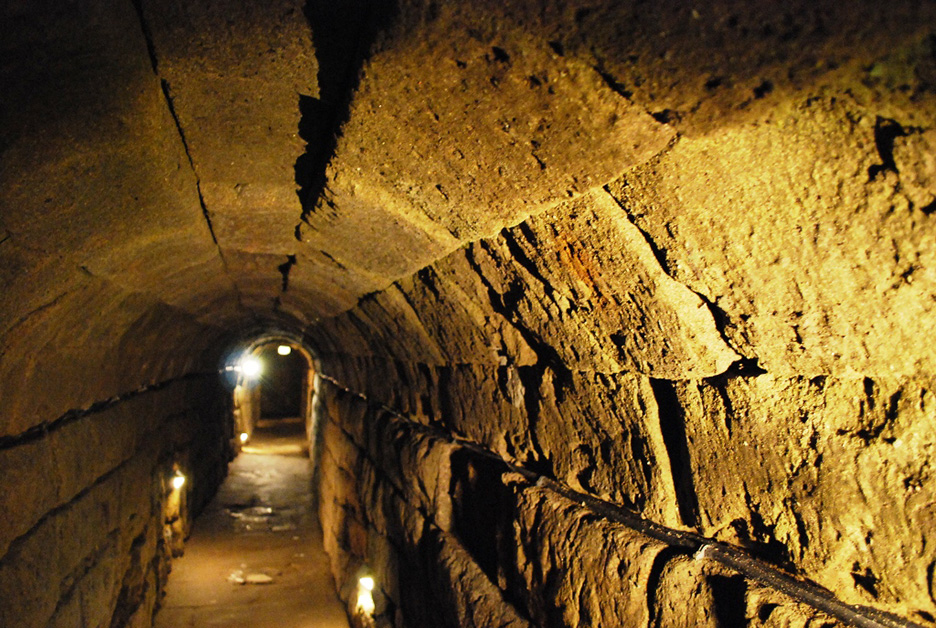
Cloaca Maxima: The Greatest Drain
Built in Rome two thousand years ago, this underground sewer, a vaulted tunnel called Cloaca Maxima (meaning “the greatest drain”) was constructed from massive blocks of volcanic rock and limestone, and, along with concrete, aqueducts, ampitheatres and an amazing network of almost straight roads linking distant provinces to the capital, it is another testament to…
-
Ovid: The Art of Love (Ars Amatoria) Book I Part IX: How To Win Her
llustration by Frederico Righi Publius Ovidius Naso 43 BC – c. 17 AD So far, riding her unequal wheels, the Muse has taught you where you might choose your love, where to set your nets. Now I’ll undertake to tell you what pleases her, by what arts she’s caught, itself a work of highest art.…
 everythinglatin.co.uk