Category: Rome
-

Ovid: The Art of Love (Ars Amatoria) Book I Part VI: Triumphs are good too!
llustration by Frederico Righi Publius Ovidius Naso 43 BC – c. 17 AD Behold, now Caesar’s planning to add to our rule what’s left of earth: now the far East will be ours. Parthia , we’ll have vengeance: Crassus’s bust will cheer, and those standards wickedly laid low by barbarians. The avenger’s here, the leader, proclaimed,…
-
Ovid: The Art of Love (Ars Amatoria) Book I Part V- Or at the Races, or the Circus
llustration by Frederico Righi Publius Ovidius Naso 43 BC – c. 17 AD Don’t forget the races, those noble stallions: the Circus holds room for a vast obliging crowd. No need here for fingers to give secret messages, nor a nod of the head to tell you she accepts: You can sit by your lady:…
-
Ovid: The Art of Love (Ars Amatoria) Book I Part IV- Or at the Theatre
Illustration by Frederico Righi Publius Ovidius Naso 43 BC – c. 17 AD But hunt for them, especially, at the tiered theatre: that place is the most fruitful for your needs. There you’ll find one to love, or one you can play with, one to be with just once, or one you might wish to…
-

Arausio: Rome’s single bloodiest day
Of the military defeats inflicted upon the Roman Army, none brought such sudden destruction as the Battle of Arausio in early October 105 BC. Arausio was a local Celtic water god who gave his name to the town where Rome was to suffer one of their greatest ever military defeats in a single day Two Roman armies…
-
Ovid: The Art of Love (Ars Amatoria) Book I Part II: How to Find Her
Illustration by Frederico Righi Publius Ovidius Naso 43 BC – c. 17 AD While you’re still free, and can roam on a loose rein, pick one to whom you could say: ‘You alone please me.’ She won’t come falling for you out of thin air: the right girl has to be searched for: use your…
-

Octavian
”Better a cautious commander, and not a rash one” When Julius Caesar and his his legions had finished their conquest of Gaul, a million Gauls and Germans were dead, and a million more were enslaved. In his decade-long conquest of what is today France, Belguim, North-West Italy and a small part of the Rhineland, Caesar…
-
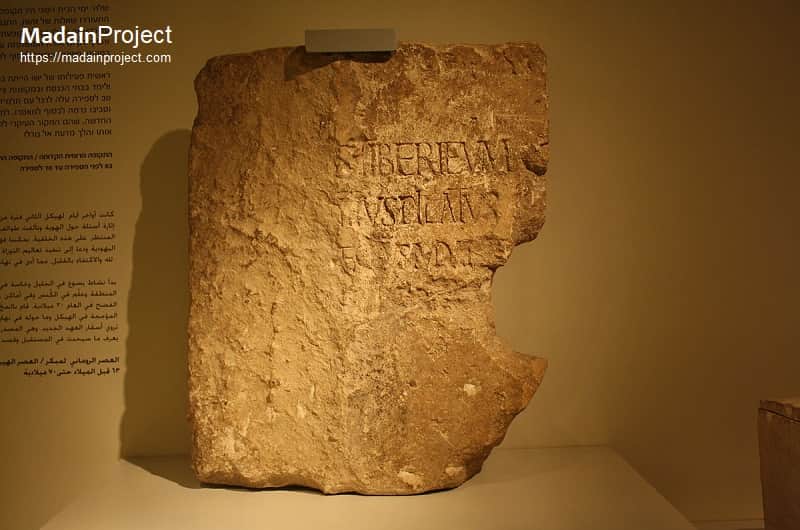
Pontius Pilate
A stone with a circa 30 CE Latin dedicatory inscription of Pontius Pilate was discovered in Israel’s Caesarea port in the early 1960s. (Collection of Israel Antiquities Authority/ © The Israel Museum, Jerusalem) The Pilate Stone is an engraved stone bearing the name of Pontius Pilate, the Perfectus of Judaea in 26-36 AD. The stone was found…
-
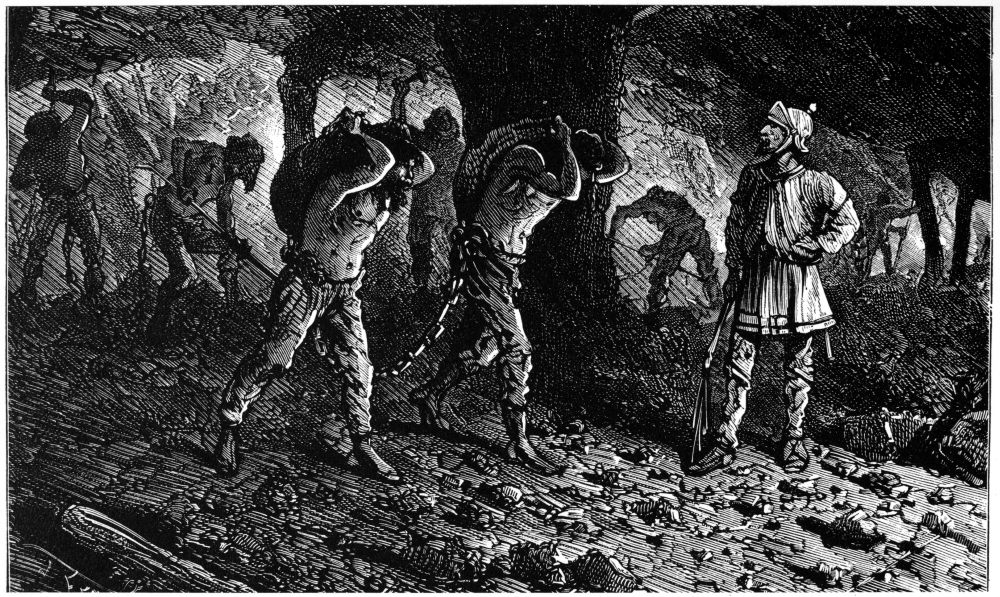
The Roman’s use of lead lowered European IQ levels for centuries
—
by
Written by Ian Sample – and published in the Guardian newspaper UK Monday 6th January 2025 Widespread use of lead caused estimated 2- to 3-point drop in IQ for nearly 180 years of Pax Romana. Apart from sanitation, medicines, education, wine, public order, irrigation, roads, the fresh water system and public health, what did the…
-

Roman fort discovered – complete with wooden spikes
By Leman Altuntaş 23rd February 2023 Archaeologists have discovered wooden defenses surrounding an ancient Roman military base for the first time in Bad Ems, western Germany. The fence, which is topped with sharpened wooden stakes similar to barbed wire, is the type of fortification mentioned in ancient writings, including by Caesar, but no surviving examples had…
-

Ovid’s banishment from Rome
Joseph Mallord William Turner (1775–1851) Ancient Italy — Ovid Banished From RomeExhibited 1838 Oil on canvas © The Metropolitan Museum of Art. Image source: Art Resource, NY This work treats the ancient poet Ovid’s purported exile from Rome, reconstructed here as a panoply of temples, triumphal arches, and statuary from different periods of the city’s…
 everythinglatin.co.uk